
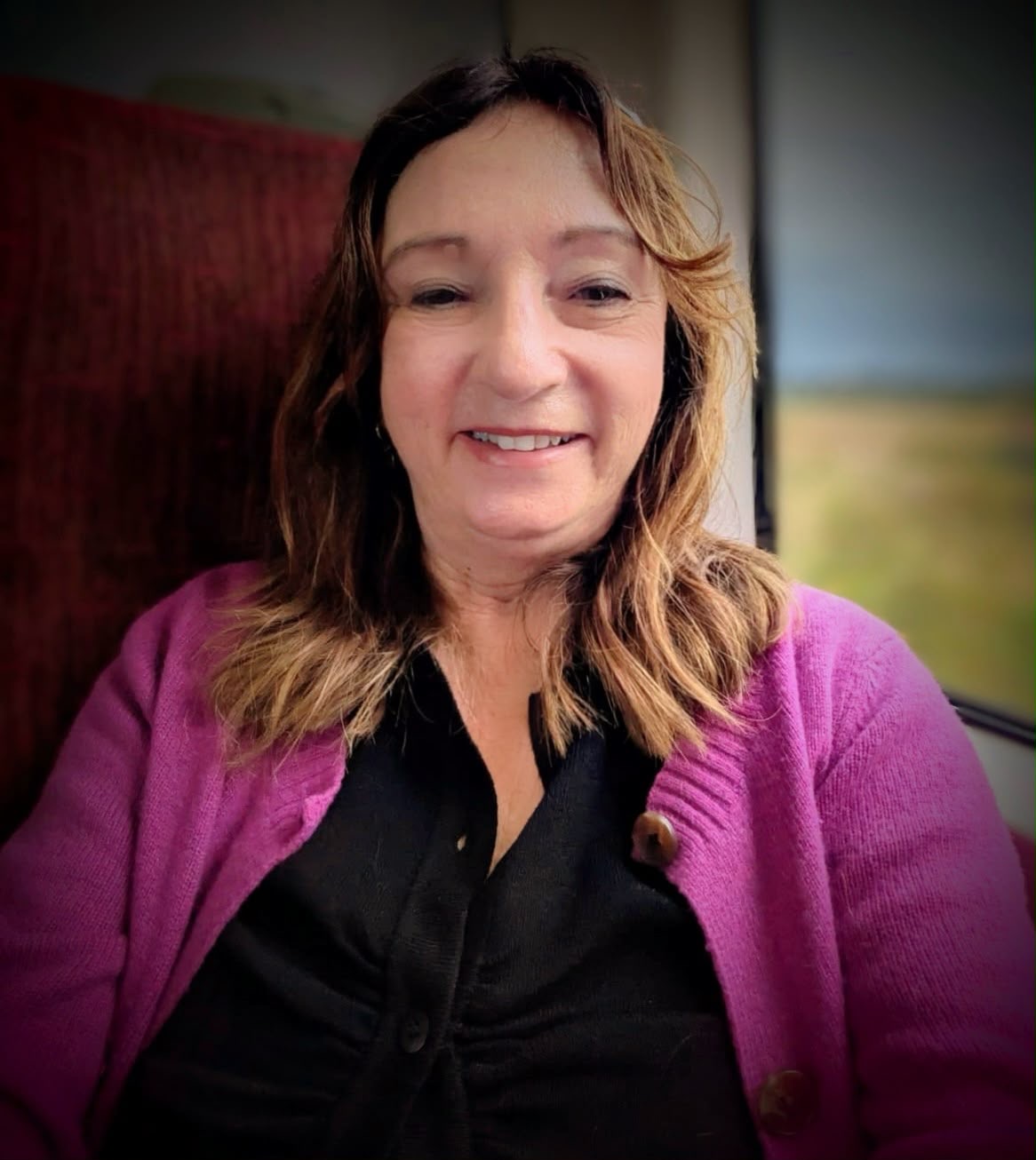
This Alzheimer’s Awareness Month, we’re sharing the story of Sharon, one of our Care Professionals, who cared for her own mum through dementia before it became her career.
There’s a particular kind of silence that comes with dementia. The pause before someone remembers your name or realises they can’t. Sharon knows it well. She sat with her mum through that silence for years before it became her job title.
“I was looking after my mum part time, she had dementia, and I wanted a job flexible enough to let me keep doing that, while still feeling like I was helping people,” she says. So, she left teaching, Sharon was a TEFL teacher, teaching English as a foreign language, before deciding to become a Care Professional instead. Six years on, Sharon is one of the reasons more people can stay in the homes they love, rather than move into residential care or hospital.
“I never set out to work in care,” she says. “If you’d told me a few years ago that I’d spend my days helping people get dressed, cook their lunch, or share a pot of tea and a laugh, I’m not sure I’d have believed you. But life has a way of pointing you in the right direction.”
What dementia taught her, twice over
Sharon’s understanding of dementia didn’t start with training. It started at home, watching her mum change, sometimes week to week, sometimes day to day.
“No two days were ever quite the same with my mum,” she says. “You learn not to expect the same person twice. Some days she knew exactly who I was and wanted to talk for hours. Other days I was a stranger to her, and I had to earn her trust all over again, in the same afternoon.”
That experience shapes how she works with clients living with dementia now. “It’s still important to talk clearly and make sure they understand what you’re asking. To give extra support if they need encouragement to eat or drink. And to stay calm, whatever’s happening in that moment, because they can feel it if you’re not.”
Home Instead backs that instinct with training rather than leaving it to chance. Sharon completed the full Care Certificate when she started, and has since taken specialist training in dementia, Parkinson’s and end of life care. “It genuinely makes a difference, knowing what to expect and why someone’s behaving the way they are. It gives you the confidence to support them properly, not just get through the visit.”
She’s also become an unofficial support for the families behind her clients. “Keeping the family updated when things change matters a lot. Giving them a heads up if I notice something that could help, or that needs to change. Families need to know they can rely on the carer, that their person is in good hands. It’s not just about the client. It’s about giving the family a break too.”
Getting to know people, properly
Because Home Instead visits are never less than an hour, Sharon has the time to actually get to know the people she cares for, not just what’s written on the care plan.
One client, a quiet man who took a while to open up, had paintings all over his walls. Sharon asked about them one day, almost in passing. It turned out he and his late wife had met at art classes years before, and the paintings were of places they’d travelled to together. After that, he didn’t stop talking. He couldn’t paint any more because of his health, but the two of them would go through old art books together instead, and he loved it every time.
Another client taught her to carve wood. “That’s the thing people don’t expect about this job,” she says. “You think you’re the one doing the helping, and then someone teaches you something completely new.” And not every visit is serious. “I had a client tell me a really bad joke once. Properly terrible. I still think about it now and it still makes me laugh!”
Some of her outings with clients are just as memorable: a trip for grocery shopping, an appointment, or simply tea and cake somewhere new. “For some of my clients, that’s their only outing all week. It’s a longer visit, so you find out what someone actually likes and dislikes pretty quickly. It’s an enjoyable time for both of us.”
The moments that stay with you
Not every part of the job is light, and Sharon doesn’t pretend otherwise. Some of the moments that have stayed with her most have come from end-of-life care.
She once had a client who was Jewish ask her to join him in his prayers. She did, gladly. And she remembers the first time she provided end of life care in full: staying with her client right until the end, and being there when he took his last breath.
“Being trusted with someone at a moment like that is a privilege,” she says. “I’ve never forgotten it.”
Why she’d tell anyone to consider this
For anyone who’s just left college, or wondering whether care is really “a real career,” Sharon has no doubts. “This is the last career I’ll ever have, and I only wish I’d found it sooner. I’ve done all sorts of jobs, and nothing has given me this much purpose, or this much support to keep growing.”
It’s not just the purpose that’s kept her there. The flexibility mattered too, especially early on, when she was still juggling caring for her mum alongside starting a new job. “Shifts can work around other things going on in your life,” she says. “That matters more than people realise if you’re trying to look after someone yourself as well as work.”
What sets Home Instead apart, in her experience, comes down to time and training. “We’re not stretched thin. One-hour visits mean I can do this job properly. The ongoing training means I’m never out of my depth.” But it’s the relationships that keep her there. “Being trusted to build something real with someone, not just deliver a service, is what makes it feel less like work and more like something worth doing.”
If you’re interested in becoming a Care Professional or joining Sharon’s team go to
https://www.homeinstead.co.uk/recruitment/office/stroudandsouthcotswolds
https://www.homeinstead.co.uk/recruitment/office/cheltenham-cotswolds