
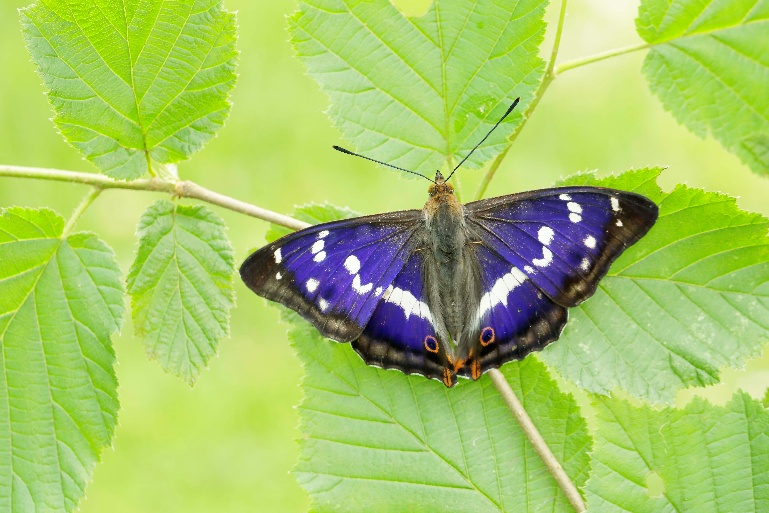
(Purple Emperor butterfly © Iain H Leach, Butterfly Conservation)
It’s National Tree Week (21-29 November) and national wildlife charity Butterfly Conservation is celebrating the trees which support the UK’s butterflies and moths. From shelter to nectar to food for hungry caterpillars, trees play an important role in the lifecycles of butterflies and moths. Meet some of the UK’s magnificent trees and the species that love them.
Apple
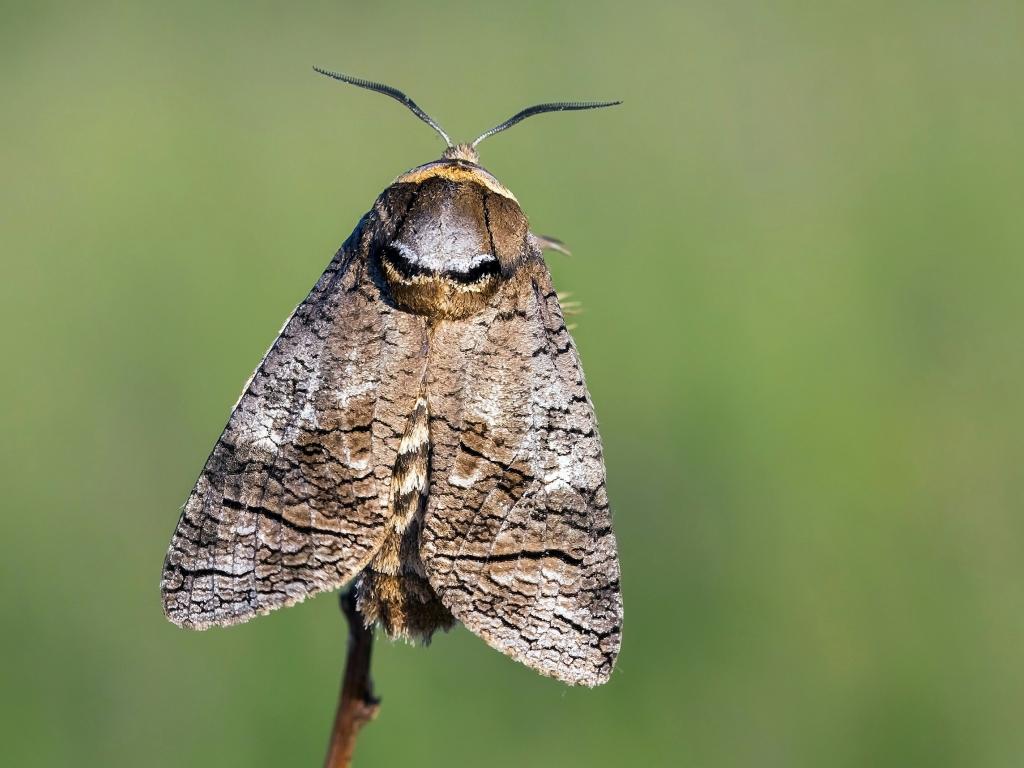
(Goat Moth caterpillars feed on apple trees © Tamas Nestor, Butterfly Conservation)
Apple trees with their lush green leaves, delicious fruit and beautiful blossoms in the spring are a favourite of butterflies and moths. As well as providing nectar, they are eaten by more than 50 caterpillar species, including the incredible Goat Moth. Goat Moth caterpillars tunnel into the trunks of the trees, living in there for up to five years before leaving to pupate. The caterpillars can reach up to 10cm long!
Oak
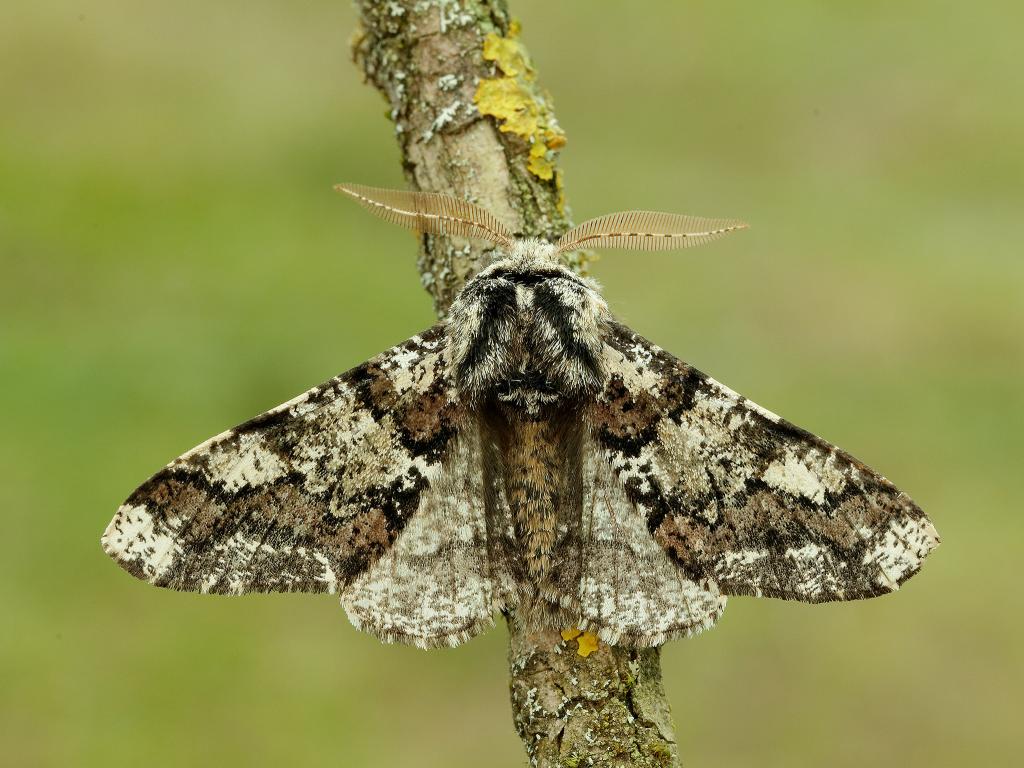
(Oak is eaten by the caterpillars of Oak Beauty moths © Iain H Leach, Butterfly Conservation)
The Oak is an icon of the British landscape, and it supports an incredible amount of wildlife, including many butterflies and moths. The Oak Beauty is one such striking species which loves oaks – it is a moth with beautiful, mottled patterns and large feathered antennae and its caterpillars feed upon various species of oak. Other oak lovers include the Purple Hairstreak, Peppered Moth, Merveille du Jour and many more!
Silver Birch
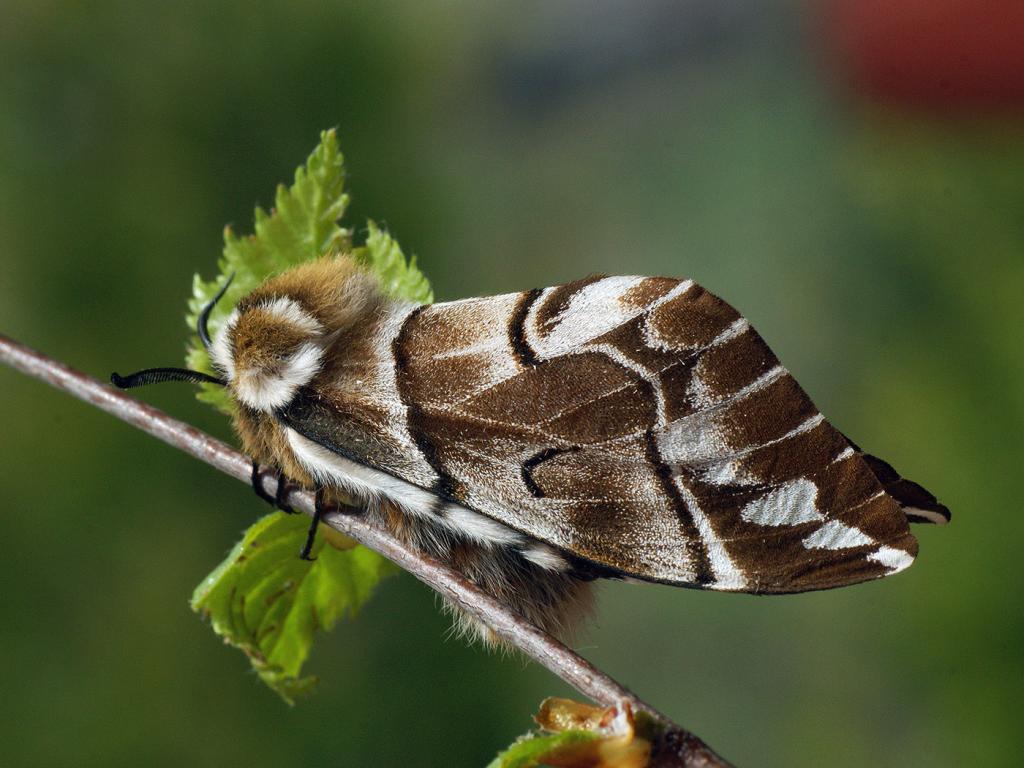
(The rare Kentish Glory relies on birch species like Silver Birch © Ilia Ustyantsev, Butterfly Conservation)
This beautiful tree is a staple of the British countryside and much-loved in gardens for its fluttering leaves and attractive silvery bark. But more than just being beautiful, Silver Birch is a wildlife powerhouse, supporting more than 300 species of insects, including the caterpillars of 150 different moths and butterflies. One particular species which relies on birches, including Silver Birch, is the Kentish Glory – a stunning moth with cream and orangey-brown wings, a fluffy thorax and feathery antennae. This incredible species used to be found in some southern counties but is now restricted to a few areas in Scotland where birch can be found for its caterpillars to feed on.
Willow
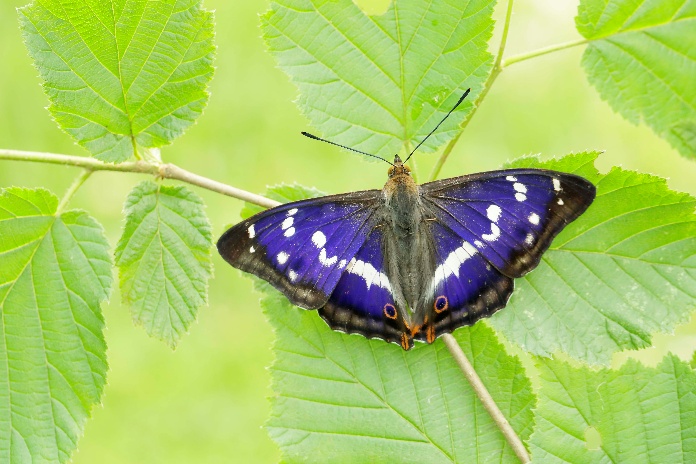
(The vibrant Purple Emperor butterfly needs willow trees for its caterpillars © Iain H Leach, Butterfly Conservation)
Willow is more than just good for weaving and helping with a headache, more than 130 different caterpillars feed on willows, including the iconic Purple Emperor. This flamboyant woodland butterfly with vibrant purple wings flies high above tree canopies looking to mate before laying eggs on willow trees and shrubs – usually Goat Willow but sometimes Grey Willow and occasionally Crack-Willow.
Holly
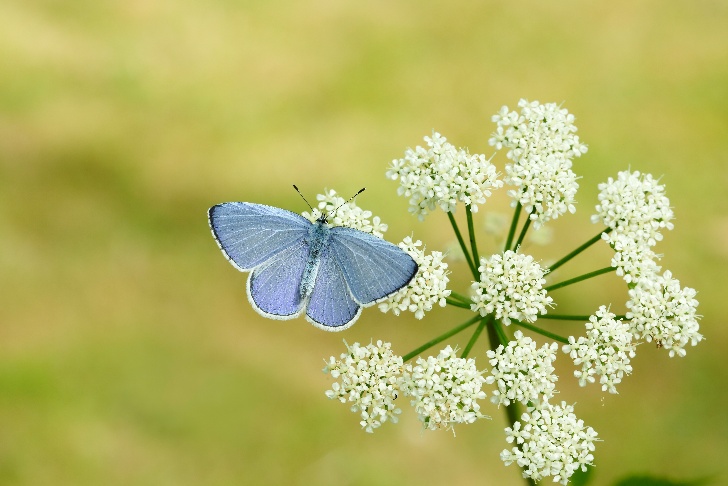
(The Holly Blue butterfly is named after its caterpillars which eat Holly © Iain H Leach, Butterfly Conservation)
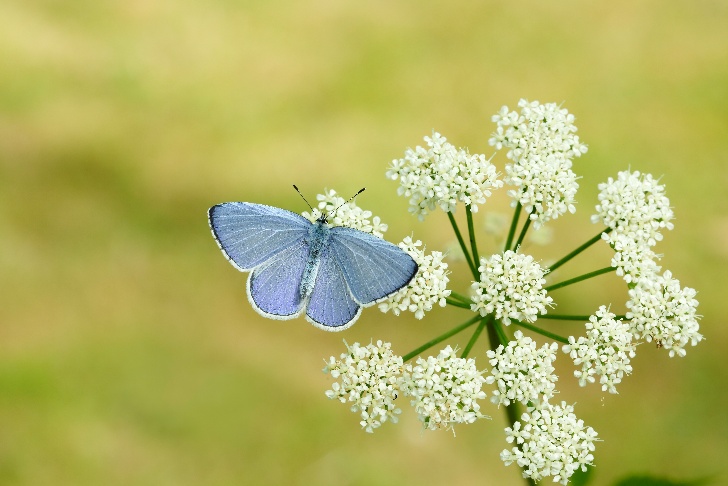
This festive shrub is a feast for a variety of wildlife, providing nectar for pollinating insects from its flowers in the spring and early summer, berries for birds and mammals through the autumn and winter, and buds and foliage to feed butterfly and moth caterpillars, including the magical Holly Blue. This pale, fairylike butterfly can often be seen fluttering around Holly bushes and trees laying eggs which will hatch into caterpillars in spring.
Poplar
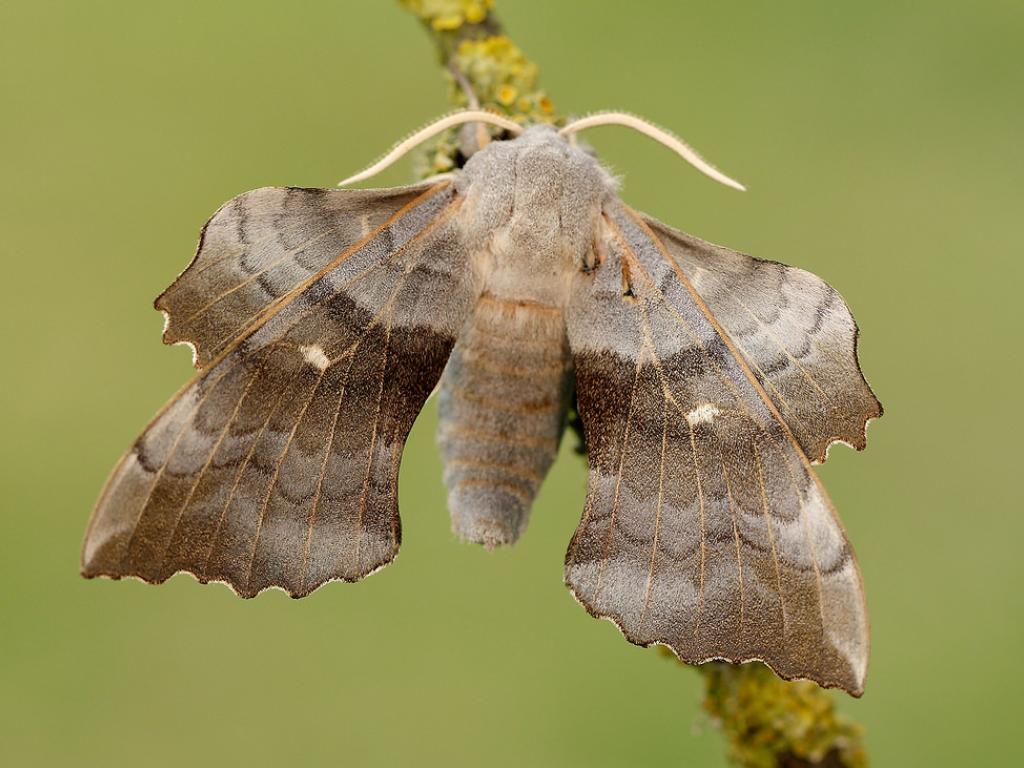
(Poplar Hawk-moth caterpillars love to eat poplars © Iain H Leach, Butterfly Conservation)
There are several species of poplars in the UK, like the rarer native Black Poplar and the non-native but now naturalised White Poplar, but the Poplar Hawk-moth isn’t too fussy when it comes to which its caterpillars will feed on! This distinctive-looking moth has leaf-like wings with scalloped edges and although it doesn’t feed as an adult, the large, bright green and hungry caterpillars love to eat poplar leaves. Poplars are also eaten by the weird and wonderful-looking Puss Moth caterpillars – these chunky caterpillars have two long waving tails, a colourful pattern which makes it look like they have a huge menacing face and can even squirt formic acid at attackers.
Elm
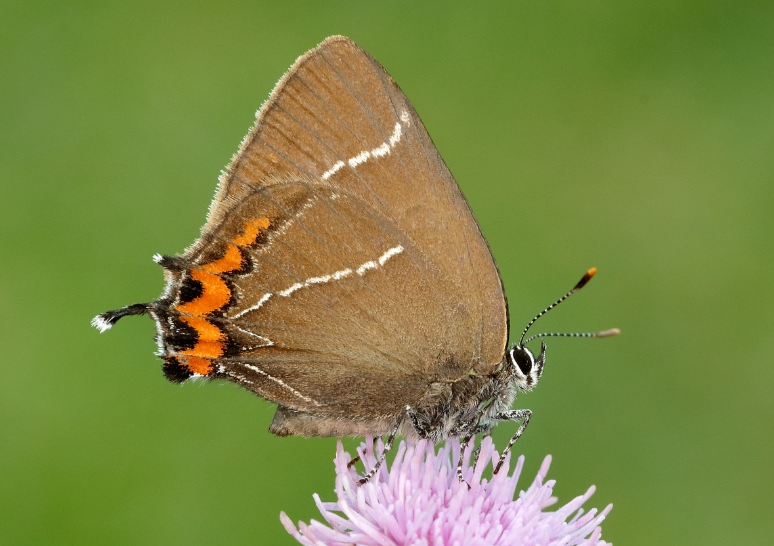
(White-letter Hairstreaks have struggled because of Dutch elm disease © Iain H Leach, Butterfly Conservation)
Several species of elm have sadly been decimated across the UK due to the spread of Dutch elm disease, but these beautiful trees are vital to the elusive White-letter Hairstreak. This small but pretty butterfly has a vibrant orange wavy streak on its wings and a distinctive white letter ‘w’ shape which gives it its name. The tiny caterpillars are well camouflaged against elm trees’ spring buds, which they burrow into to feed on the seeds and developing flowers or leaves.
Find out more about butterflies and moths on the Butterfly Conservation website butterfly-conservation.org